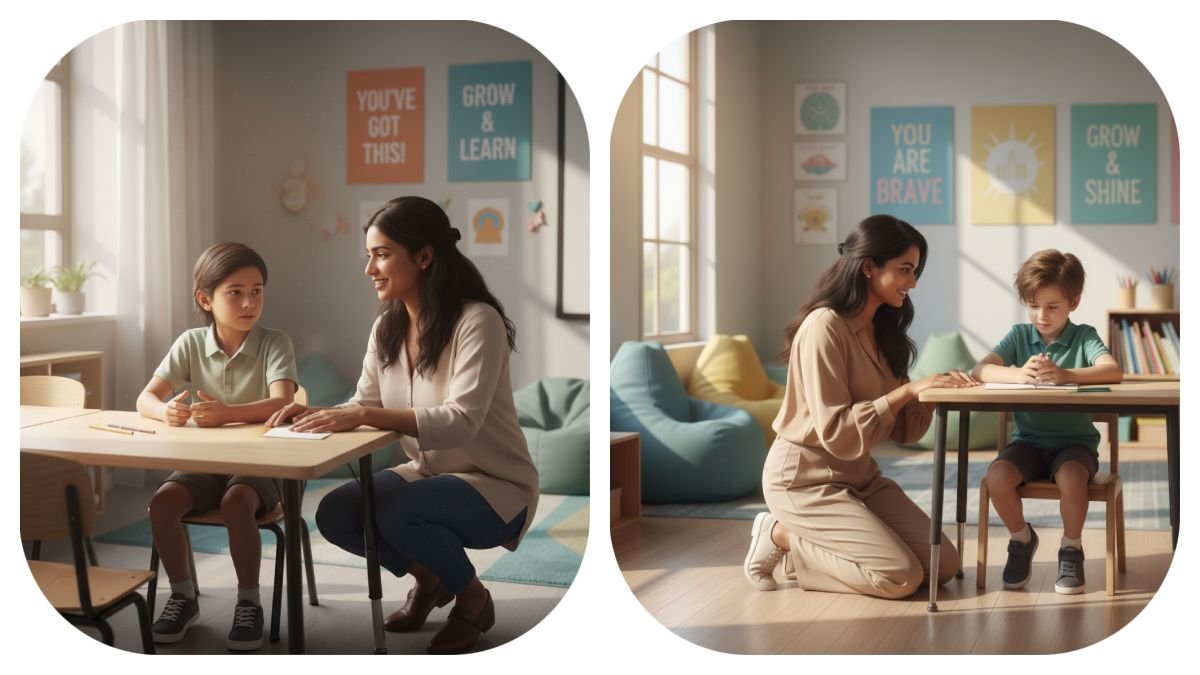
Intro: वो ख़ामोशी जो पहले कभी नहीं थी
क्लास में घंटी बजती है।
35 बच्चे अंदर आते हैं—but no “Good morning ma’am.”
सिर्फ़ एक अजीब सा सन्नाटा।
मैंने देखा—कुछ बच्चे mask के पीछे छुपे हुए, कुछ फ़ोन की स्क्रीन में खोए हुए, और कुछ तो बस दीवार को ताकते हुए।
Welcome to the post-pandemic classroom of 2025.
Pandemic ने हम सबको बदला है, लेकिन सबसे गहरा असर बच्चों पर पड़ा है।
आज जो बच्चे स्कूल आते ही बेचैनी, डर, या heavy heartbeat महसूस करते हैं—ये ब्लॉग उनके लिए है।
और साथ ही उन teachers और parents के लिए भी, जो जानना चाहते हैं:
post-pandemic anxiety in students क्या होती है, उसके triggers क्या हैं, और supporting anxious students practically कैसे किया जाए?
Chapter 1: पहले समझो कि बच्चों के अंदर चल क्या रहा है
2020–2022 कोई movie नहीं थे।
वो सच था—और बच्चों ने उसे पूरी intensity (supporting anxious students)से जिया।
Also Read :- How to Help Your Child with Homework Without Doing It For Them
घर में लॉकडाउन
ऑनलाइन क्लास का pressure
लगातार “Unmute yourself” की frustration
दोस्तों से दूर रहना
घरों में illness, fear, और कई बार loss
WHO की एक 2023 report ने बताया:
25%+ adolescents में anxiety और depression के symptoms बढ़े, और India में ये number और भी alarming है।
School भले खुल गए हों, पर कई बच्चे अभी भी mentally “lockdown mode” में हैं:
Social battery low
Crowded corridors में डर
Oral answers देने में hesitation
Sudden crying या shutdown
This is post-pandemic anxiety in students—and it’s completely normal.
If you’re a student reading this: you are not alone.
Chapter 2: Signs जो teachers और parents को ध्यान देने चाहिए
मेरी क्लास की एक बच्ची—रिया—पहले सबसे आगे बैठती थी, हर सवाल का जवाब देने वाली।
अब last bench पर सिकुड़ी हुई बैठती है।
supporting anxious students , Her signs included:
बार-बार washroom जाने की request
Test वाले दिन पेट दर्द/सिर दर्द
Lunch break में अकेले रहना
अचानक रो पड़ना
Class participation से पूरी तरह दूर
ये सब somatic symptoms of anxiety हैं।
कुछ बच्चों में तो selective mutism फिर से लौट आया, कुछ बहुत hyperactive हो गए क्योंकि stillness itself makes them anxious.
Parents, अगर कभी ये लगे कि—
“ये तो बस drama है”—
कृपया रुकिए।
ये drama नहीं, survival mode है।
Chapter 3: Classroom की पहली ज़रूरत—Emotional Safety
हर anxious बच्चा silently ये पूछ रहा होता है:
“Am I safe here?”
Safe मतलब सिर्फ़ physical नहीं, emotionally safe.
मैंने अपनी क्लास में एक छोटा सा Calm Corner बनाया:
एक bean bag
soft toys
noise-canceling headphones
emotions chart
कोई भी बच्चा बिना permission मांगे 5 मिनट वहाँ बैठ सकता है।
पहले हफ्ते 12 बच्चे जाते थे।
अब सिर्फ़ 2 जाते हैं—
क्योंकि gradually पूरी class emotionally safe महसूस करने लगी।
Teachers के लिए Simple Practices:
Greet at the door
हर बच्चे को नाम से smile देना—confidence booster।Two compliments per correction
Criticism anxiety को बढ़ाती है, appreciation उसे balance करता है।Predictable routines
Daily schedule board—क्योंकि uncertainty triggers anxiety.
ये छोटे-छोटे steps class को एक safe ecosystem बना देते हैं।
Chapter 4: Curriculum को Anxiety-Friendly बनाना सीखें
Pandemic के बाद कई बच्चे group projects और oral presentations से डरते हैं।
तो हम alternatives क्यों न दें?
कुछ practical alternatives:
Oral presentation की जगह voice note submit करने दें
Presentation के साथ written script allow करें
“Think-Pair-Share” के बजाय Think-Write-Share
Assessment में choice दें—
draw / write / speak / record—कुछ भी।
मेरा student आरव—Maths में brilliant—
लेकिन oral quiz में blank।
मैंने उसे paper पर solve करके WhatsApp photo भेजने दिया।
Score: 28/30
और वो मुस्कुराया—पूरा हफ़्ता बाद पहली बार।
We don’t need perfect performance.
We need emotionally safe performance.
Chapter 5: रोज़ 5 मिनट की Magic—Breathing + Grounding
supporting anxious students , मैं हर class की शुरुआत 2 मिनट की Box Breathing से करती हूँ:
4 seconds inhale
4 hold
4 exhale
4 hold
पहले बच्चे हँसते थे, अब खुद कहते हैं:
“Ma’am breathing कर लें?”
Grounding technique (5-4-3-2-1)
जब panic attack feel हो, बच्चे करें (supporting anxious students):
5 things they can see
4 they can touch
3 they can hear
2 they can smell
1 they can taste
Exam में कई anxious बच्चों को इसने बचाया है।
Chapter 6: Parents, आपकी role सबसे critical है
सुबह-सुबह “Aaj test hai? Padh liya?”
ये sentence anxiety का biggest trigger है।
Instead, say:
“Whatever happens, I’m proud of you.”
Parents के लिए simple habits:
School जाने से पहले 5 मिनट cuddle time
Phone रात 8 बजे तक collect कर लें
Blue light drastically increases anxiety
Unrealistic expectations छोड़ दें
“तू doctor बनेगा” अभी मत कहो।
पहले बच्चा emotionally stable (supporting anxious students)बने—career बाद में भी बन जाएगा।
Chapter 7: Counseling को Normal बनाना होगा
India में counseling का stigma आज भी strong है।
मैंने अपनी school में Wellness Wednesday शुरू किया:
हर बुधवार counselor class में game-based activities करवाती हैं।
धीरे-धीरे बच्चे खुद appointment लेने लगे।
Counseling एक safe space है—luxury नहीं, necessity है।
2025 तक stigma कम (supporting anxious students)हुआ है—लेकिन हमें और काम करना है।
Chapter 8: Social Skills वापस लाना—Slowly, Gently
Pandemic ने बच्चों का casual talking skill छीन लिया।
Lunch breaks = mobiles.
So we started No-Phone Fridays:
Board games
Antakshari
Dumb charades
पहले awkward silence।
तीसरे हफ़्ते table से laughter की आवाज़ें आने (supporting anxious students)लगीं।
Social anxiety melts slowly—one shared laugh at a time.
Chapter 9: Teachers, अपना भी ध्यान रखो
हम anxious students को support कर रहे हैं, लेकिन कई teachers खुद burnout का सामना कर रहे हैं।
Teacher well-being must-haves:
Week में 1 दिन—no work emails after 7 pm
Yoga, therapy, peer support groups
Mental health leave
Light workload days
You can’t pour from an empty cup.
पहले अपनी flame जलाओ—तभी किसी और को रोशनी दे पाओगे।
Final Chapter: तुम अकेले नहीं हो
अगर तुम एक student (supporting anxious students)हो और ये पढ़ते हुए तुम्हारा दिल तेज़ धड़क रहा है—
breathe.
You are healing—not failing.
अगर तुम teacher हो और रात को guilt में सोते हो कि
“मैं और कर सकती थी”—
Please know: You’re enough.
अगर तुम parent हो और हर दिन खुद को doubt करते हो—
You’re doing your best.
Post-pandemic classrooms tough हैं—but temporary हैं।
धीरे-धीरे healing होगी, और एक दिन फिर classrooms “Good morning ma’am!” से गूंजेंगे।
उस दिन तक, बस एक दूसरे का हाथ थामे चलना है।
Conclusion
supporting anxious students 2025 में हम एक ऐसी generation को guide कर रहे हैं जिसने बचपन में ही global trauma का सामना किया।
Pandemic ने उनकी emotional wiring बदल दी—और यही reason है कि जरा-सी noise, crowds, या academic pressure से anxiety trigger हो रही है।
As teachers और parents, हमारे पास दो रास्ते हैं:
या तो हम बच्चों को “lazy”, “sensitive”, “phone addicted” कहकर ignore कर दें
या हम उन्हें वो emotional safety दें जिसकी उन्हें सबसे ज़्यादा ज़रूरत है
Supporting anxious students कोई extra responsibility नहीं—
ये आज के education system की core need है।
हर “calm corner”, हर “it’s okay”, हर breathing session—
ये सब वो seeds हैं जो future में confident, emotionally stable adults बनाते हैं।
To every anxious student:
Your anxiety isn’t a weakness—it’s a sign that you feel deeply.
And this world needs people who feel deeply.
To every teacher and parent:
Your efforts might feel invisible, but they matter.
Children thrive not because of perfect systems,
but because someone refused to give up on them.
We are healing—one deep breath at a time.
FAQ
Q1. मेरा बच्चा school जाने से पहले रोता है। Force करना चाहिए?
Ans: नहीं। Forced exposure anxiety बढ़ाता है। Reason समझें, counselor से बात करें, gradual return plan बनाएँ।
Q2. Selective mutism वाले बच्चे को बोलने कैसे encourage करें?
Ans: Don’t force. Non-verbal responses accept करें—writing, nodding, gestures। Pressure घटेगा, speech खुद वापस आएगी।
Q3. Exam anxiety का quick समाधान?
Ans: “Physiological sigh”—दो बार short inhale, एक long exhale।
30 seconds में heart rate calm करता है (Huberman Lab research).
Q4. Medication जरूरी है?
Ans: केवल severe cases में—और psychiatrist की recommendation के बाद ही। First-line treatment हमेशा CBT और lifestyle changes।
Q5. Teacher खुद anxious हो तो?
Ans: पहले self-care।
Mental health leave, therapy, workload balance—सब जरूरी है।
Empty cup theory—fully real.
Disclaimer
इस ब्लॉग supporting anxious students में दी गई जानकारी लेखक के teaching experiences, common classroom observations, और publicly available child psychology research पर आधारित है। यह content केवल educational purpose के लिए है। इसे किसी भी तरह की professional psychiatric diagnosis या medical advice का substitute समझना गलत होगा।
हर बच्चा अलग होता है—उसकी anxiety की reason, pattern और intensity भी। इसलिए यहाँ बताई गई techniques (breathing, calm corner, routines, etc.) सभी पर समान रूप से लागू न भी हों। इन्हें implement करने से पहले school administration और परिवार के साथ चर्चा करना जरूरी है।
अगर किसी बच्चे में severe symptoms दिखें—जैसे self-harm thoughts, suicidal ideation, extreme withdrawal, violent panic attacks—तो इंतज़ार न करें।
तुरंत qualified child psychologist या psychiatrist से consult करें।
India में help lines:
Vandrevala Foundation: 9999666555
iCall: 022-25521111 (24×7)
This content respects privacy.
सभी बच्चों के नाम और पहचान बदल दी गई हैं।
लेखक certified psychologist नहीं, बल्कि एक empathetic teacher हैं जो पिछले चार वर्षों से post-pandemic anxiety को समझने और support करने की कोशिश कर रही हैं।
Mental health महत्वपूर्ण है—stigma नहीं।
अगर इस ब्लॉग ने आपको थोड़ा भी comfort, clarity, या hope दिया है—तो कृपया conversation को आगे बढ़ाते रहें।
We heal best—together.
© 2025 – Written with love, care & hope for every child learning to breathe again.