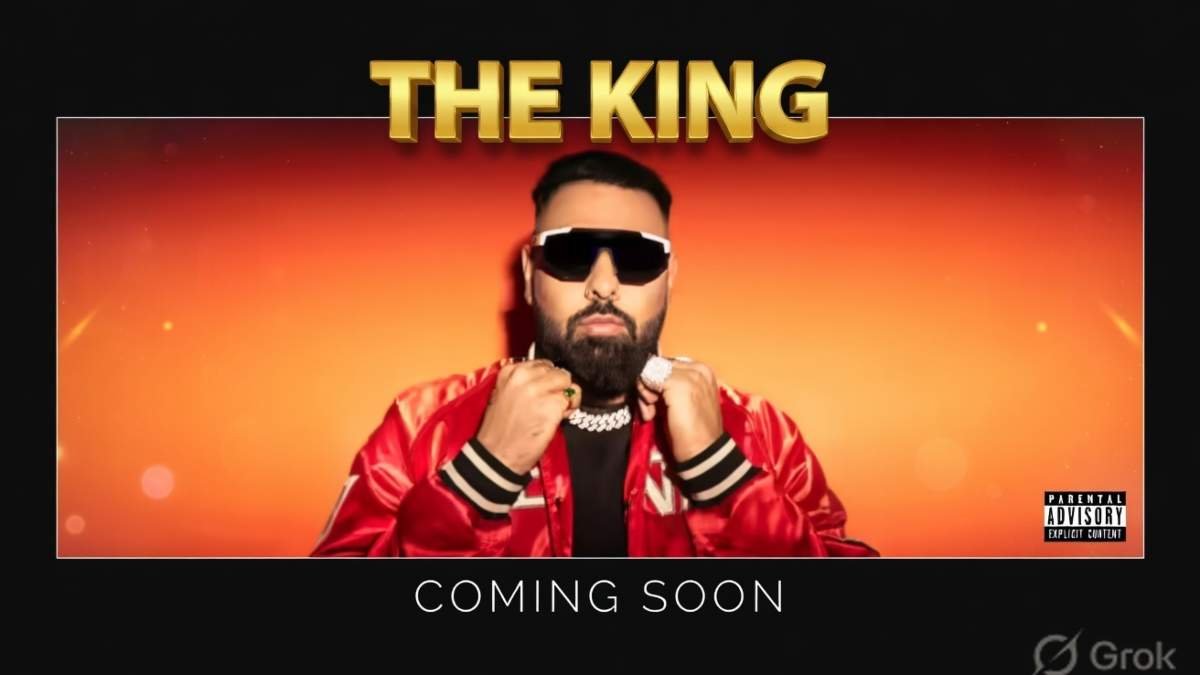
Have you ever seen a new song release and suddenly the entire internet starts arguing about it? That is exactly what happened after Badshah released his latest Haryanvi rap track, Tateeree. Within hours, the song sparked a major controversy online. Fans were divided, critics raised serious questions, and another rapper stepped forward to defend the singer.
At the center of the debate is one statement made by rapper Santy Sharma: “Badshah is being judged without understanding.”
Here is the full story behind the Tateeree song lyrics controversy and why it has created such a big discussion around music, culture, and artistic freedom.
The Song That Started the Controversy
On March 1, 2026, Badshah released Tateeree, a Haryanvi rap song filled with local flavor, high energy, and the rapper’s signature style.
The song uses the word “Tateeree”, which refers to the grey francolin bird and is often used informally to describe a lively or playful girl. In the track, the word appears in teasing and playful lines.
However, soon after its release, several listeners objected to certain lyrics. One line in particular — “Aaya Badshah doli chadhaane, in sabki ghodi banaane” — was criticized for having double meanings and for allegedly objectifying women.
The music video also drew attention. It featured girls wearing school uniforms dancing inside a classroom setting called “Badshala.” Some viewers felt the visuals were inappropriate, especially considering younger audiences might watch the video.
Soon, the issue moved beyond social media. Complaints were filed, Haryana Police registered cases, and the State Commission for Women summoned Badshah. Reports also said a lookout notice was issued. What began as an online debate quickly turned into an official controversy.
Badshah Responds With an Apology
Badshah did not stay silent after the backlash. In a video shared on Instagram, he addressed the controversy and apologized.
He also removed the song from all platforms.
In the video, the singer said he is proud of his roots in Haryana and never intended to hurt anyone’s feelings.
He said the lyrics and visuals may have upset people, especially in his home state, and added that if the song caused pain to anyone, he apologizes sincerely.
The emotional message gained attention from fans and critics alike. Many supporters said the apology showed responsibility, while others continued to debate the issue.
Santy Sharma Steps In To Defend Badshah
As criticism continued, independent rapper Santy Sharma from Ratlam came forward to defend Badshah.
On Instagram, he posted a photo of the singer and shared his thoughts on the controversy.
According to Santy Sharma, many people judging the song may not fully understand how hip-hop works.
He explained that in rap music, artists often include references to rivals or use competitive lines as part of the genre’s culture. He also said that songs and music videos are sometimes created separately.
According to him, a rapper might record a song long before the video is produced, and the video team may handle creative decisions independently.
Santy Sharma wrote that one major problem in India is the lack of awareness about hip-hop culture. He said the way Badshah is being judged without understanding the full situation is unfair.
At the same time, he acknowledged that if lyrics hurt people, they can always be changed or updated.
The Larger Debate Around Hip-Hop in India
The controversy has also reopened a larger discussion about hip-hop culture in India.
Many people enjoy rap music for its rhythm and energy. But when songs include aggressive lyrics, competitive references, or bold visuals, they often face criticism.
In global hip-hop culture, such elements are common. Diss lines, wordplay, and strong expressions are part of the genre’s history.
However, in India, many listeners are still getting familiar with these aspects. Because of this, misunderstandings sometimes arise when songs push creative boundaries.
Supporters of Badshah argue that artistic expression should be understood within the context of the genre. Critics, on the other hand, say artists must be careful about the social impact of their work.
The Pressure Artists Face
Controversies like this can have a major impact on artists.
Musicians often spend months working on a track. But if a song triggers backlash, the situation can quickly escalate with legal complaints, online criticism, and public pressure.
Badshah’s case shows how quickly a song can go from a viral release to a national debate.
Fans also find themselves divided. Some support artistic freedom, while others focus on protecting cultural values.
Santy Sharma’s message resonated with many people because it highlighted the importance of understanding context before forming opinions.
Hip-Hop in India: Still Evolving
This is not the first time a rap song in India has faced controversy. Similar debates have happened in the past, where songs gained popularity but later faced criticism for their lyrics or visuals.
Many artists believe these debates are part of the growing phase of hip-hop in India.
Santy Sharma’s comments have started a broader conversation about educating audiences about rap culture and encouraging thoughtful criticism rather than immediate backlash.
Different Views in the Tateeree Controversy
| Aspect | Critics’ View | Santy Sharma’s Perspective |
|---|---|---|
| Lyrics | Vulgar and objectifying women or minors | Competitive rap style; can be revised if needed |
| Music Video | School scenes considered inappropriate | Video may be handled by a separate team |
| Cultural Impact | Could hurt sentiments in Haryana | Shows lack of understanding of hip-hop |
| Artist Responsibility | Singer should have predicted backlash | Full story should be understood first |
| Possible Solution | Ban the song and take legal action | Educate audiences and revise lyrics if necessary |
This comparison highlights how different groups see the issue from very different angles.
Conclusion
The Tateeree song controversy started with a single track but soon turned into a much bigger debate about music, culture, and artistic freedom.
Badshah apologized and removed the song after people expressed concerns. Meanwhile, Santy Sharma spoke out in support of the singer, saying Badshah was being judged without full understanding of the situation.
The incident has also raised important questions about how hip-hop is viewed in India and whether audiences are ready to engage with the genre’s style and storytelling.
In the end, the controversy is not just about one song. It reflects the growing conversation around creativity, responsibility, and how people interpret modern music.
FAQs
Q1: Why did the Tateeree song become controversial?
Some listeners objected to lyrics that they believed had suggestive meanings and to the music video featuring girls in school uniforms.
Q2: Did Badshah apologize for the song?
Yes. Badshah shared a video message apologizing and removed the song from all platforms.
Q3: What did Santy Sharma say about the issue?
He defended Badshah and said the singer was being judged without fully understanding hip-hop culture.
Q4: Is the Tateeree song still available online?
No. The song was removed from platforms after the controversy.
Q5: Will this affect future Haryanvi rap songs?
It may encourage artists to be more careful with lyrics and visuals, while also sparking discussions about better understanding rap culture.
Disclaimer
This article is for informational purposes only. The information is based on publicly available reports and statements as of March 13, 2026. The article does not support or promote any harmful or illegal content and respects all viewpoints related to the Tateeree song controversy.