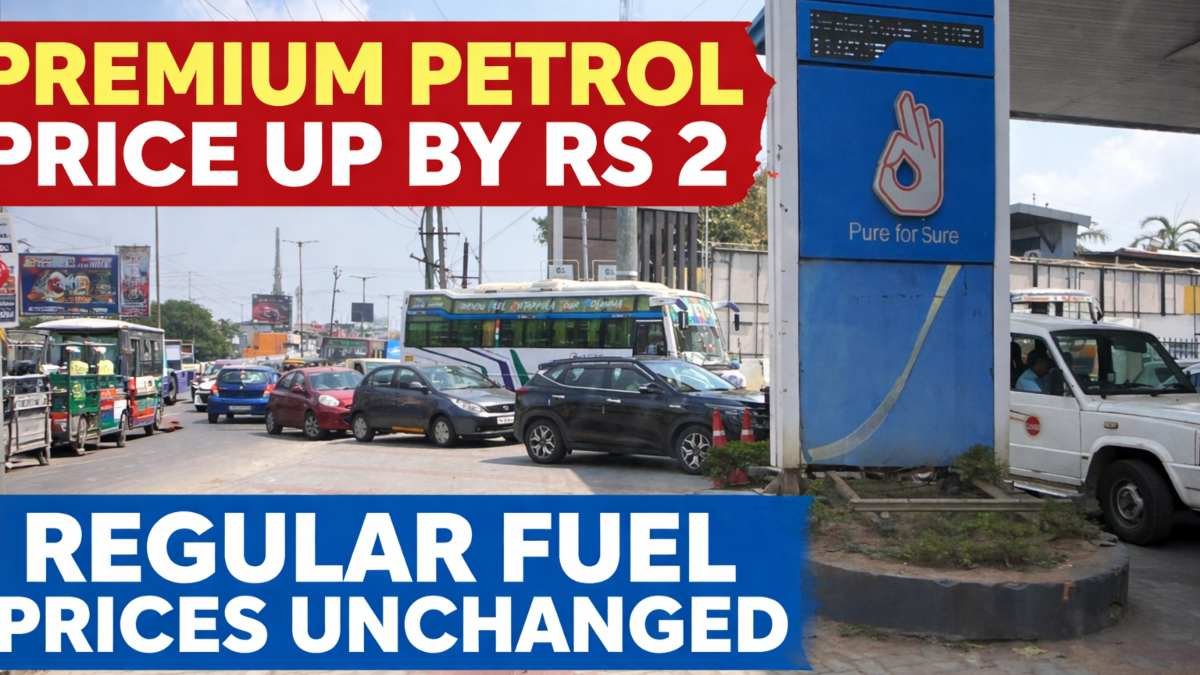
Pulling up at a fuel station may feel slightly different now. While premium petrol has become costlier, there is some relief for everyday users as regular petrol and diesel prices remain unchanged across the country.
In a surprise move on March 20, 2026, state-owned oil companies increased premium petrol prices by around Rs 2 per litre (up to Rs 2.35 in some variants). However, normal petrol and diesel prices were kept steady. This hike mainly affects high-octane fuels such as XP95, Power, and Speed, while most daily commuters continue to pay the same rates.
The price revision comes at a time when tensions in the Middle East are pushing global crude oil prices higher. Despite this, the government and oil marketing companies decided not to increase regular fuel prices, offering some relief to the public. Still, this selective hike raises concerns about future fuel costs in India.
Table of Contents
ToggleWhy Premium Petrol Prices Increased But Regular Fuel Didn’t
Premium petrol is different from regular fuel. It has a higher octane rating (95–99 compared to 91 in normal petrol), which helps high-performance engines run smoother and reduces engine knocking. It is mostly used in luxury cars, sports bikes, and modified vehicles.
The recent increase in premium petrol prices is linked to global market pressure, especially disruptions in oil supply. Oil companies have chosen to absorb most of the impact for regular petrol and diesel to avoid increasing the burden on common people. For most users, fuel expenses remain unchanged for now.
Petrol and Diesel Prices in Major Cities
As of March 21, 2026, fuel prices in major cities remain stable for regular variants. In Delhi, petrol is priced at Rs 94.77 per litre, while diesel costs Rs 87.67 per litre. In Mumbai, petrol is priced at Rs 103.54 per litre, with diesel also remaining steady.
There have been no daily price revisions for regular fuel, thanks to controlled pricing by oil companies. However, premium petrol has become costlier. For example, XP95 in Delhi has increased to around Rs 101.89 per litre from Rs 99.89.
How This Affects People Emotionally
Fuel price hikes often worry people. Daily commuters think about rising travel costs, small business owners worry about expenses, and farmers keep a close watch on diesel prices.
This time, however, the situation is slightly different. Since regular petrol and diesel prices remain unchanged, most people feel some relief. It shows an effort to protect common consumers during uncertain times.
What Is Industrial Diesel?
While regular diesel prices have not changed, industrial diesel has seen a sharp increase. In cities like Delhi, bulk diesel prices have gone up by around Rs 22 per litre, reaching about Rs 109.59.
Industrial diesel is used in factories and generators and usually comes with different pricing due to bulk supply and lower taxes. This increase may raise costs for industries, which could eventually impact product prices.
Impact on Daily Life
For most people, this change will not affect daily expenses. A person using a bike or a regular car will continue to pay the same for fuel. Families relying on diesel vehicles also benefit from stable prices.
However, those using premium petrol—such as owners of high-end cars or sports bikes—will feel the increase more. Overall, the impact is limited to a smaller group of users.
Fuel Price Comparison (Delhi, March 2026)
| Fuel Type | Previous Price (per litre) | New Price (per litre) | Change | Affected Users |
|---|---|---|---|---|
| Regular Petrol | Rs 94.77 | Rs 94.77 | No change | Daily commuters |
| Premium Petrol | Rs 99.89 | Rs 101.89 | +Rs 2 | High-performance vehicles |
| Retail Diesel | Rs 87.67 | Rs 87.67 | No change | Transport, cars |
| Industrial Diesel | ~Rs 87.67 | Rs 109.59 | +Rs 22 | Factories, generators |
| Petrol in Mumbai | Rs 103.54 | Rs 103.54 | No change | Urban users |
This clearly shows that the price hike is limited to specific fuel types while protecting most consumers.
Conclusion
The increase in premium petrol prices by Rs 2, while keeping regular petrol and diesel unchanged, shows a balanced approach during global uncertainty. While fuel price concerns remain, the current stability in regular fuel rates offers some relief to the public.
For now, most people can continue their daily travel without worrying about higher fuel costs.
FAQs
Q1: Why did only premium petrol prices increase?
Premium petrol is used by a smaller group of users, so increasing its price has less impact on the general public.
Q2: What are the current fuel prices in Delhi?
Petrol is Rs 94.77 per litre and diesel is Rs 87.67 per litre as of March 21, 2026.
Q3: Has diesel become costlier?
Retail diesel prices are unchanged, but industrial diesel has become more expensive.
Q4: What is premium petrol?
It is a high-octane fuel designed for better performance in advanced engines.
Q5: Will fuel prices increase soon?
There is no immediate change expected for regular petrol and diesel.
Disclaimer
This article is based on publicly available information as of March 21, 2026. Fuel prices may change depending on global markets and local taxes. Readers are advised to check current rates at fuel stations or official sources.