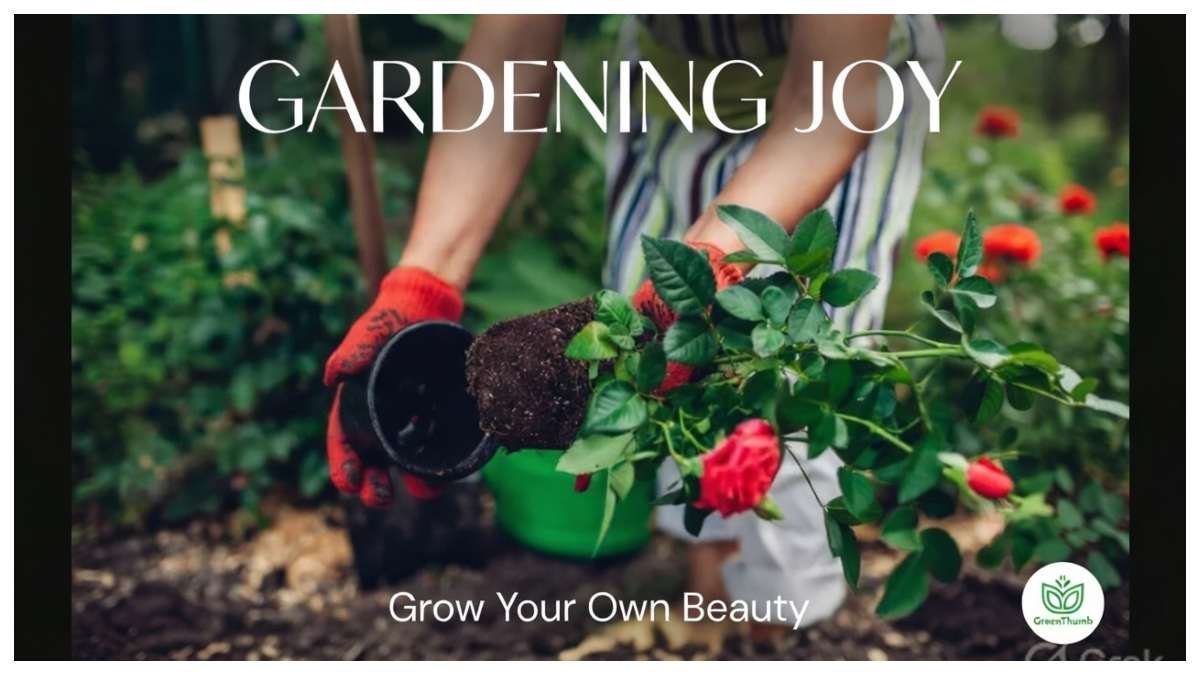
That first sip of coffee, surrounded by bright colors and a soft fragrance that feels romantic and calming. For many people, roses bring deep emotions. They represent love, beauty, and quiet strength. But what if you don’t have a big garden? Can you plant roses in pots and still enjoy their beauty?
The answer is yes. As a container gardening expert, I can say that growing roses in pots is not only possible—it’s also simple and rewarding.
Planting roses in pots is not just an alternative; it’s a smart way to garden in today’s world. Many people live in apartments or homes with limited outdoor space. Container gardening makes it possible to grow beautiful flowers right on a balcony, patio, or doorstep.
Over the years, many beginners have turned small spaces into fragrant rose corners. With the right knowledge, anyone can grow roses in pots successfully.
Table of Contents
ToggleWhy Growing Roses in Pots Is a Great Idea
Imagine watching a rose slowly open its petals, even if you live in a small apartment. Growing roses in pots gives you flexibility that fits modern lifestyles.
Whether you live in a busy city or a quiet suburb, container gardening has become very popular in recent years. In 2026, more people are choosing space-saving and sustainable gardening methods, and potted roses are part of this trend.
Roses also connect us with nature. They remind us of growth, blooming, and renewal. When you grow roses in pots, you bring a small piece of nature into your everyday life.
It can also be relaxing and therapeutic. Caring for plants helps reduce stress and improves mood. With the growing popularity of urban gardening and balcony gardens, starting with roses has become easier than ever.
I still remember my first potted rose plant. It was small and messy, and I made many beginner mistakes. But it survived and eventually bloomed beautifully. That little plant taught me patience and filled my home with a wonderful fragrance.
Choosing the Best Roses for Pots
Not every rose variety grows well in containers, but many do very well.
If you want success with potted roses, choose compact varieties like miniature roses or patio roses. These are specially developed for smaller spaces and are often more resistant to diseases.
Fragrant container roses, especially those from the Drift series, are very popular because they bloom continuously and require less maintenance.
You can also try hybrid tea roses or floribundas, but make sure they are dwarf varieties suitable for containers.
Many gardeners today also prefer roses that are strong, fragrant, and environmentally friendly. Choosing the right variety is the first step toward successful container gardening.
A helpful tip: beginners can start with a variety like Apricot Drift. It is hardy, beautiful, and easy to grow.
Choosing the Right Pot
The container you choose is just as important as the plant itself.
To grow roses in pots, choose a container that is at least 15 inches deep and wide. This gives the roots enough space to grow.
Clay or terracotta pots are popular because they allow air to pass through the sides. This helps prevent root rot and also gives a classic garden look.
Drainage is very important. Always choose pots with holes at the bottom so excess water can drain out.
Modern gardeners are also choosing eco-friendly pots made from recycled materials. These are durable and better for the environment.
The right pot is like a home for your rose plant. A good container helps the plant stay healthy and grow beautifully.
The Importance of Good Soil
Healthy soil is the foundation of strong plants.
When growing roses in pots, use a mix of potting soil, compost, and perlite. This combination provides nutrients and proper drainage.
Roses prefer slightly acidic soil with a pH between 6.0 and 6.5.
You can also add a little loam or clay to improve the soil’s ability to hold nutrients.
Preparing soil for your plant is a bit like cooking for someone you love. It takes effort, but the results are worth it.
Step-by-Step Guide to Planting Roses in Pots
Planting roses in containers is simple if you follow a few basic steps.
Start by soaking bare-root roses in water. If the rose is already in a nursery pot, gently remove it.
Place a layer of gravel or small stones at the bottom of the pot for better drainage. Then fill the pot halfway with your prepared soil mix.
Position the rose plant so that the graft union sits just below the soil level. Fill the remaining space with soil and press gently.
Water the plant deeply and add mulch on top to keep the soil moist.
Spring and fall are the best seasons to plant roses in containers.
The moment you plant your rose, with your hands in the soil and hope in your heart, is always special.
Daily Care for Healthy Potted Roses
Roses need proper care to thrive.
They require at least six hours of sunlight daily. Place your pot in a bright location where it can receive plenty of sunlight.
Water regularly, but do not overwater. Let the top inch of soil dry before watering again.
Use a rose fertilizer once a month to provide essential nutrients. Organic fertilizers are becoming increasingly popular.
Pruning is also important. Trim your plant in late winter to maintain its shape and encourage stronger growth.
Check regularly for pests. Choosing disease-resistant varieties can reduce problems.
Caring for roses can sometimes feel like taking care of a child—challenging at times, but very rewarding when the plant blooms.
Common Problems and How to Solve Them
Like any plant, roses can face problems such as black spot disease or aphids.
Good airflow around the plant helps prevent many diseases. Natural treatments like neem oil can also control pests.
During winter, container roses may need protection. In colder climates, you can move the pots indoors or insulate them to protect the roots.
Many beginners worry about failing at gardening. But every gardener learns through experience. Growing roses in pots teaches patience and resilience.
Container gardening also solves space problems, making it perfect for urban homes.
The Beauty of Blooming Roses
As the seasons change, your potted roses will bring color and fragrance to your home.
Soft pastel roses are especially popular in modern container gardens. These flowers create a calm and beautiful atmosphere on balconies and patios.
Roses remind us to enjoy life’s small moments. Watching them bloom can bring joy and peace to everyday life.
Growing roses in pots is not just gardening—it is a relaxing and meaningful experience.
Pros and Cons of Growing Roses in Pots
| Aspect | Pros | Cons |
|---|---|---|
| Space | Perfect for balconies and patios | Limited root space if pot is small |
| Mobility | Pots can be moved for sunlight or protection | Large pots can be heavy |
| Maintenance | Easy to focus care on one plant | Requires more frequent watering |
| Aesthetics | Adds beauty to small spaces | Over-fertilizing can damage plants |
| Sustainability | Uses less water overall | Soil may need replacement after a few years |
Conclusion
Yes, you can grow roses in pots—and it can completely transform your space. Even without a large garden, you can enjoy the beauty and fragrance of roses right at home.
With the right variety, pot, soil, and care, container roses can thrive and bloom beautifully. Start your container gardening journey today and let roses brighten your home and your mood.
FAQs
Q: How often should I water roses in pots?
A: Check the soil daily and water when the top inch feels dry, usually 2–3 times a week.
Q: Can all rose varieties grow in pots?
A: Compact varieties like miniature or Drift roses work best.
Q: What is the best time to plant roses in containers?
A: Spring and fall are ideal for planting.
Q: How should I care for roses in winter?
A: Move pots to a sheltered place or insulate them during cold weather.
Q: Are potted roses difficult to maintain?
A: With proper care and setup, they are easy to grow and very rewarding.
Disclaimer
This article provides general information about growing roses in pots based on gardening knowledge and expert advice. Results may vary depending on climate, plant variety, and care methods. For specific guidance, consult a local gardening expert or horticulturist.