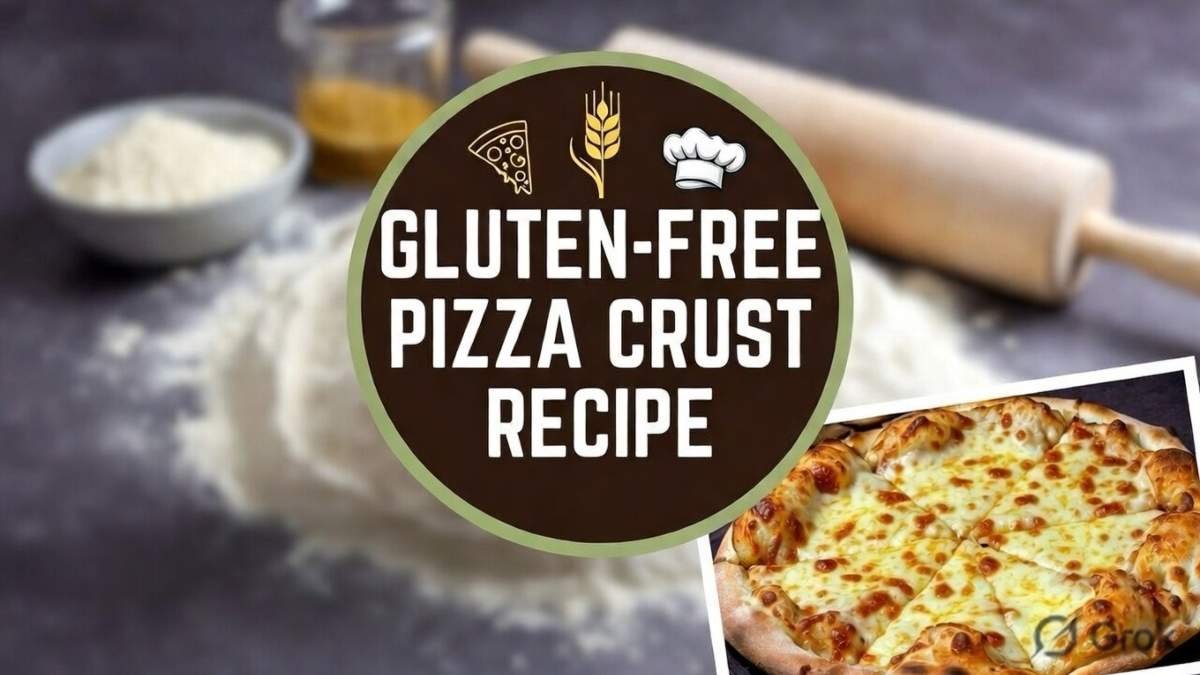
Imagine biting into a crispy, chewy pizza crust that actually tastes like the real thing. No dryness, no crumbling—just the comforting taste of pizza. For people living with gluten sensitivity, celiac disease, or those simply choosing a gluten-free lifestyle, this gluten-free pizza crust recipe can turn a quiet evening into a joyful family moment.
I still remember the first time I made it at home. My kids cheered when they tasted it, and my partner gave me a big hug. That moment made me realize how powerful food can be. That’s exactly why I’m sharing this gluten-free pizza crust recipe with you today.
This isn’t just another recipe experiment. It’s the result of many failed attempts, late-night research, and a lot of testing in the kitchen. Whether you’re new to gluten-free cooking or have been doing it for years, this gluten-free pizza crust recipe delivers delicious results right from your home oven. The best part? It’s simple, flexible, and full of flavor—just like traditional pizza dough.
Why This Gluten-Free Pizza Crust Recipe Is a Game Changer
Living gluten-free can sometimes feel limiting. For many people, pizza is the food they miss the most—those relaxed Friday nights, the smell of pizza filling the house.
But this gluten-free pizza crust recipe brings that experience back. You can enjoy pizza again without discomfort or worry. When friends tried it at my home, they were surprised to learn it was completely gluten-free.
In recent years, searches for easy gluten-free pizza recipes have grown rapidly. More people want homemade options that taste good and are easy to make. This gluten-free pizza crust recipe fits perfectly into that trend. It uses simple ingredients that are easy to find and delivers reliable results every time.
Ingredients for This Gluten-Free Pizza Crust Recipe
You don’t need expensive tools or rare flours. Here’s what you need to make one 12-inch crust:
1 cup warm water (about 110°F)
1 tablespoon sugar
1½ teaspoons instant yeast
2½ cups gluten-free all-purpose flour blend (with xanthan gum)
1 teaspoon baking powder
¾ teaspoon salt
2 tablespoons olive oil
Optional: 1 teaspoon psyllium husk powder for extra chewiness
These ingredients work together perfectly. The yeast helps the dough rise and creates that classic pizza texture. Psyllium husk, a popular gluten-free baking ingredient, helps improve the structure and chewiness of the crust.
Step-by-Step Guide to Making the Perfect Gluten-Free Pizza Crust
Start by activating the yeast. Mix the warm water and sugar in a bowl, then add the yeast. Let it sit for about 5–10 minutes until it becomes foamy.
In a large bowl, mix the gluten-free flour blend, baking powder, salt, and psyllium husk (if using). Add the yeast mixture and olive oil. Stir until a soft dough forms. Unlike regular dough, heavy kneading isn’t required.
Cover the bowl and let the dough rest in a warm place for 30–60 minutes. It may not double in size like wheat dough, but it will rise slightly.
Preheat your oven to 425°F. Place the dough on parchment paper lightly dusted with gluten-free flour and roll it out to about ¼-inch thickness.
Pre-bake the crust for 10 minutes. This step helps make the base crispy and prevents it from becoming soggy.
Next, add pizza sauce, cheese, and your favorite toppings. Bake again for 12–15 minutes until the crust turns golden and the cheese melts perfectly. Soon, the smell of fresh pizza will fill your kitchen.
Pro Tips for the Best Gluten-Free Pizza Crust
Always use parchment paper. It prevents sticking and helps the crust cook evenly.
Brush the crust edges with olive oil before baking for extra crispiness.
If the dough feels sticky, add a small amount of flour blend gradually.
For firmer dough, refrigerate it for 30 minutes before rolling.
Another helpful tip: you can prepare the dough in advance. Shape it, wrap it tightly, and freeze it for up to a month. When needed, thaw it overnight in the refrigerator.
Common Mistakes to Avoid
Rushing the rising process can make the crust dense. Always give the dough enough time to rest.
Another common mistake is using water that is too cold or too hot. Incorrect temperature can stop the yeast from working properly.
Also avoid adding too many toppings. Too much weight can make the crust soggy. Start with light toppings for the best results.
Why Homemade Is Better Than Store-Bought
Many store-bought gluten-free crusts are expensive and sometimes taste dry or bland. Making it at home costs much less and tastes fresher.
As more people turn to homemade gluten-free cooking in 2026, recipes like this are becoming increasingly popular. Homemade crusts also contain no preservatives—just simple ingredients you can trust.
Easy Variations You Can Try
Want a thinner crust? Simply roll the dough out thinner for a crisp, cracker-style base.
You can also mix herbs like oregano or garlic powder into the flour mixture for extra flavor.
Some people prefer a no-yeast version. In that case, you can replace yeast with additional baking powder. You can also experiment with vegetable options like cauliflower crust, although the traditional flour version remains the favorite for many.
Nutritional Benefits
This crust provides balanced energy without gluten. The flour blend offers fiber, while olive oil adds healthy fats.
For people following a gluten-free lifestyle, this recipe helps satisfy cravings while still supporting a balanced diet.
Comparison: Traditional vs Gluten-Free Pizza Crust
| Aspect | Traditional Crust | This Gluten-Free Pizza Crust |
|---|---|---|
| Texture | Chewy but heavy | Light, crispy outside, soft inside |
| Preparation Time | 2+ hours | Under 1 hour active time |
| Cost per Crust | $3+ store-bought | Under $2 homemade |
| Family Approval | Standard | Loved even by non-gluten eaters |
This comparison shows why many families prefer making their own gluten-free pizza crust at home.
Conclusion
Pizza night doesn’t have to be a compromise anymore. This gluten-free pizza crust recipe brings people together, solves common gluten-free frustrations, and creates new family traditions.
Whether you’re making it for the first time or the tenth time, the happiness it brings is real. Try it tonight—you might discover your new favorite homemade pizza.
Thousands of people in gluten-free communities are already talking about recipes like this. For many, it’s more than just food—it’s the freedom to enjoy pizza again.
FAQs
Can I make this gluten-free pizza crust dairy-free?
Yes. Simply skip the cheese or use plant-based alternatives. The crust itself is naturally dairy-free.
How long does the crust stay fresh?
It can be stored in the refrigerator for up to two days. You can also freeze baked slices for longer storage.
Is this recipe beginner-friendly?
Yes. It requires no special equipment and the steps are easy to follow.
Can I bake it in a pizza oven?
Yes. It works well in high-heat pizza ovens and can develop a delicious charred crust.
What if my dough doesn’t rise?
Check that your yeast is fresh and the water temperature is correct. Even if it rises only slightly, the crust will still bake well.
Disclaimer
This recipe is shared for informational and entertainment purposes only. It is not a substitute for professional medical advice. People with celiac disease or severe allergies should consult a doctor or registered dietitian before trying new recipes. Results may vary depending on flour brands and oven conditions. Always check ingredient labels to avoid cross-contamination.